Dogs
Little guides for a lovelier life together: what a puzzle toy does for a busy mind, how to choose a bed, a feeder or a harness, and the finds we think are worth a closer look. Written to be useful whether or not you buy anything.
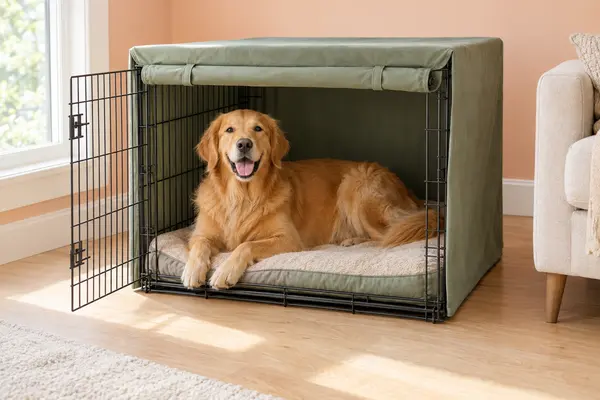
Should You Cover a Dog Crate? When It Helps and How to Fit One
Many dogs settle well in a partly covered crate that feels like a den, as long as air flows and one side stays open. Here is when a cover helps, when it does not, and how to fit one.
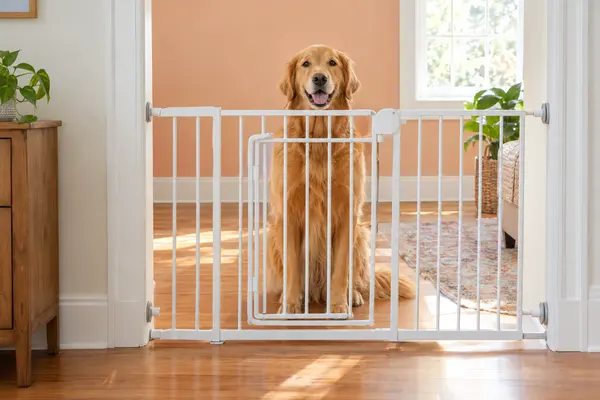
How to Choose a Dog Gate: Width, Height and Mounting Type
Measure the opening, pick a height your dog cannot clear, then choose pressure mounting for doorways and hardware mounting for the top of stairs. Here is how each type fits.
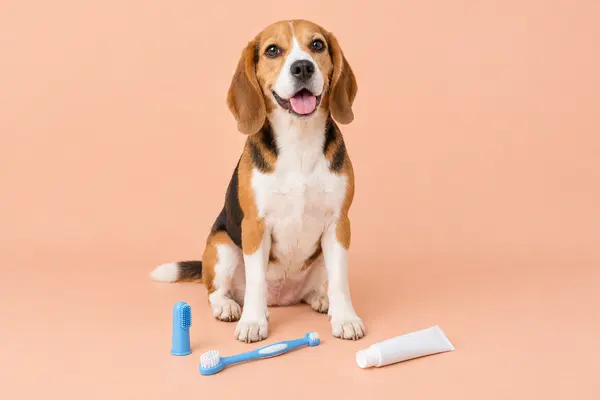
How to Brush a Dog's Teeth: A Gentle Step-by-Step Plan
Brush a dog's teeth with a soft dog toothbrush and dog toothpaste: build up over one to two weeks, lift the lip, angle the bristles to the gumline and keep it short and sweet.
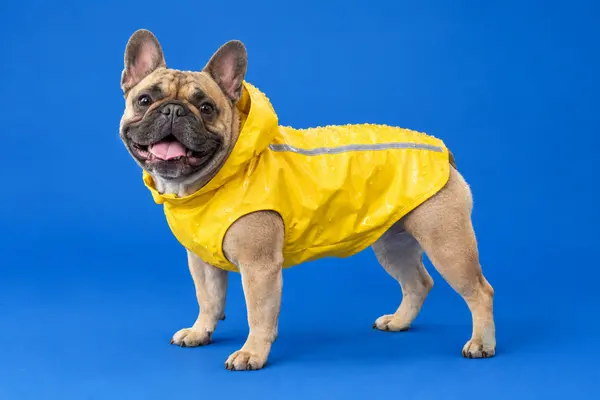
How to Choose a Dog Raincoat: Coverage, Hood, Fabric and Fit
Choose a dog raincoat by how much of your dog it needs to cover, whether the fabric is truly waterproof, and a fit taken from back length and chest girth. Here is what each choice changes on a wet walk.

What to Put on a Dog ID Tag: Wording, Materials and Tag Styles
A dog ID tag needs one or two phone numbers you always answer, your dog's name if you like, and a short note such as "Microchipped" when it is true. Here is how to word it and pick a tag that stays readable.
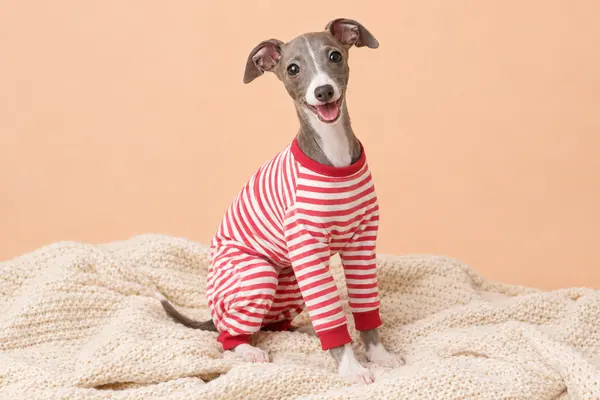
Dog Pajamas and Onesies: How to Choose Them and Get the Fit Right
Dog pajamas suit short coats, small dogs and chilly homes. Choose soft stretch fabric, the right belly opening for your dog, and measure back, chest and neck before you pick a size.
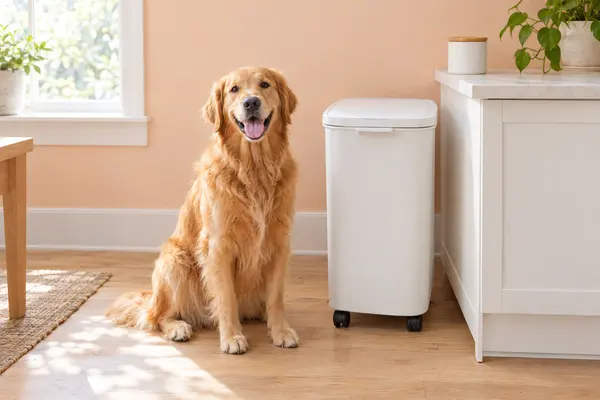
Dog Food Storage Containers: Sizes, Seals, Wheels and Scoops
Match the container to the bag you buy (20, 40 or 50 lb), look for a gasket lid that latches, add wheels if it lives on the floor, and keep the kibble in its bag inside.

How to Choose a Dog Bowl: Materials, Shapes and Sizes Compared
Choose a dog bowl by material first (stainless steel, ceramic, plastic or silicone), then shape, base and size for your dog's face, ears and appetite. Here is how each compares.
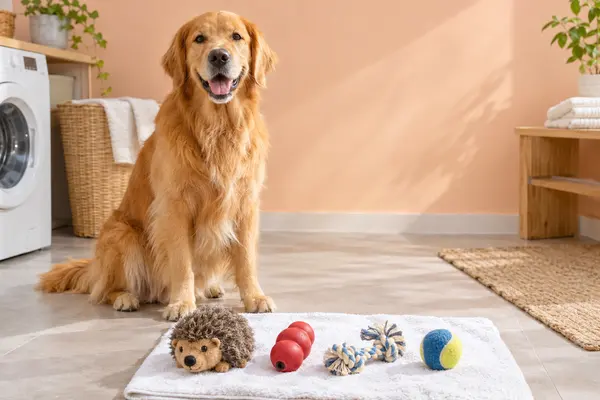
How to Clean Dog Toys by Material: Plush, Rubber, Rope and More
Wash plush toys on a gentle cycle, scrub rubber and nylon with unscented dish soap and hot water, soak rope and dry it fully, and brush out treat toys after every use.
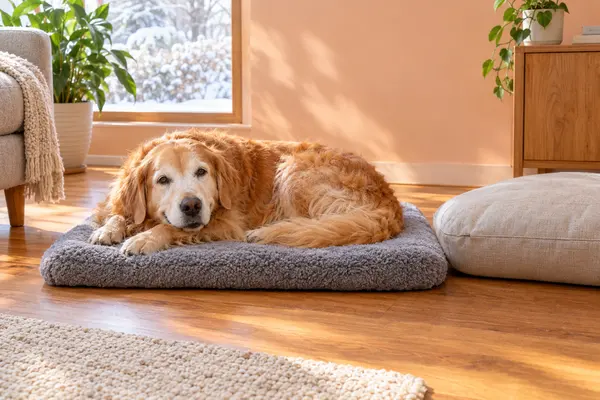
Heated Dog Beds: How to Choose One and Use It Safely
Choose a heated dog bed by type (plug-in, self-warming or microwavable), cord protection, auto-off and size, then always leave your dog an unheated spot to move to.
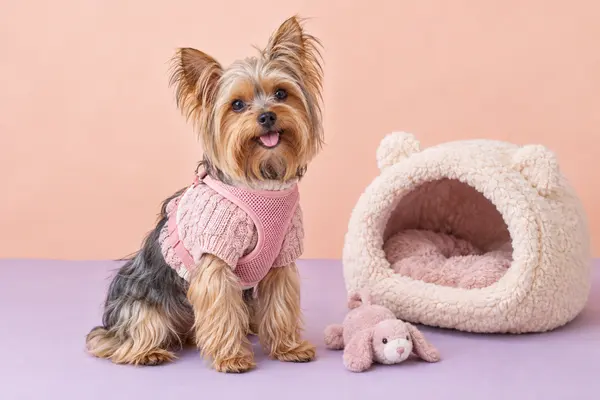
Small Dog Toys and Gear for Toy Breeds: A Practical Kit List
Toy breeds need gear sized for tiny mouths and light frames: small soft toys, a step-in harness, a light leash, a warm layer, low bowls, pet steps, a cave bed, a booster seat and a long-coat brush kit.

How to Bathe a Dog at Home: A Bath Day Checklist in Order
Brush first, set up a non-slip tub and lukewarm water, lather with a dog shampoo, rinse twice, then towel and dry on low. Here is every step in order.

Pet Cameras Explained: What Each Feature Does and Do You Need It
A good pet camera sees the spots your pet actually uses, works on your Wi-Fi and stores clips the way you like. Here is what each feature does and who needs it.
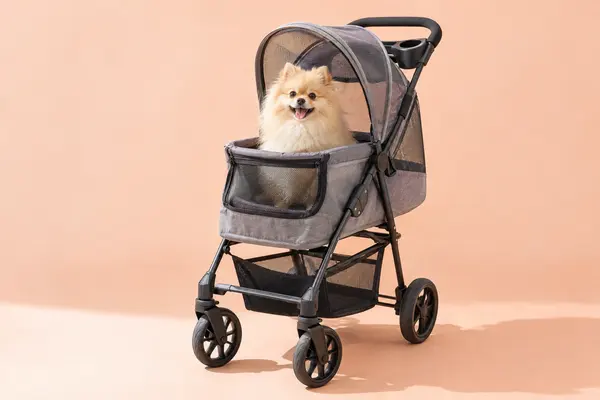
Dog Stroller vs Pet Wagon vs Sling: Which One Fits Your Dog?
A sling suits a tiny dog on short trips, a dog stroller suits small and medium dogs on long outings, and a pet wagon suits big dogs or two pets. Here is how to choose.
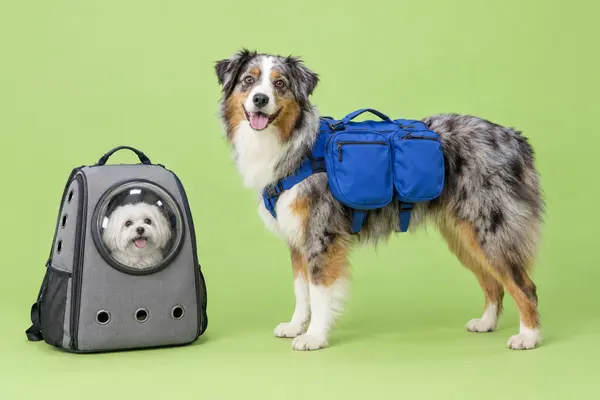
Dog Backpacks Compared: Carriers You Wear vs Packs Dogs Wear
A dog backpack is one of two things: a carrier you wear to hold a small dog, or a pack your dog wears on hikes. Pick by who carries whom, then by fit and weight limits.
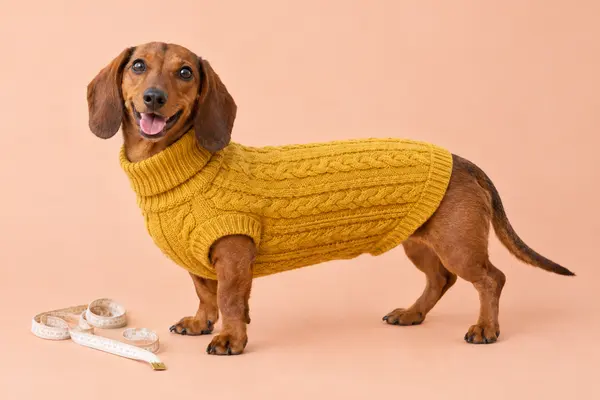
How to Measure a Dog for a Sweater: Back, Chest, Neck and Fit
Measure the back from collar base to tail base, the chest at its widest point behind the front legs, and the neck. Chest girth usually decides the size; check each listing's own chart.
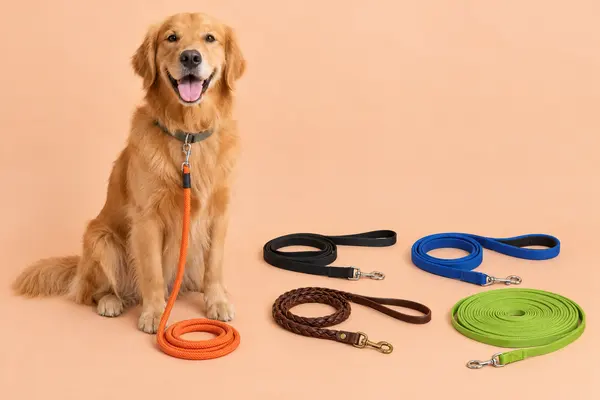
Types of Dog Leashes: A Glossary From Flat Lead to Long Line
Most walks only need a flat leash about 4 or 6 feet long. Rope, biothane, leather, traffic handles, waist belts, long lines, slip leads and couplers each solve one specific job.
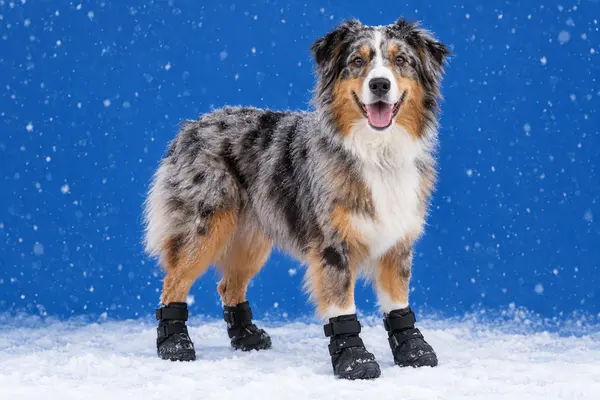
Do Dogs Need Boots in Winter? Types, Fit and When to Skip Them
Many dogs walk happily through winter without boots. Boots earn their place on salted sidewalks, icy paths, clumping snow and long trail days. Here is how to choose, measure and fit them.
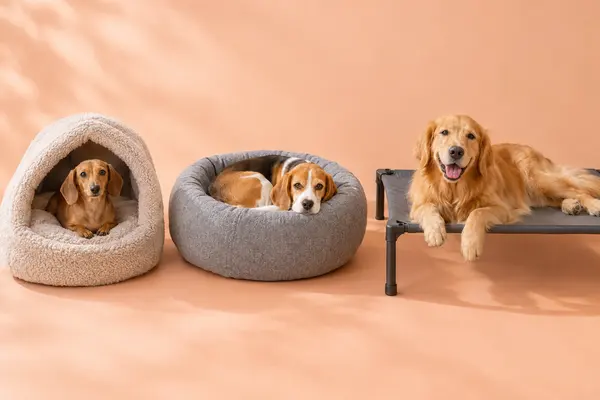
Types of Dog Beds Compared: Bolster, Mat, Cot, Cave and Pillow
Match the bed to how your dog sleeps: bolster or donut beds for curlers, flat mats and crate pads for sprawlers, raised cots for airflow and outdoors, caves for burrowers.

Types of Dog Collars: A Glossary From Flat Buckle to Martingale
Flat buckle, quick-release, martingale, breakaway, rolled leather, sighthound, tracker and ID collars explained in plain words, plus how a collar should fit.

Is a Slow Feeder Good for Dogs? 7 Myths and Facts Checked
A slow feeder turns dinner into a small search game for many dogs, but the right one depends on pattern depth, bowl size, muzzle shape and material. Here are seven common beliefs, checked.
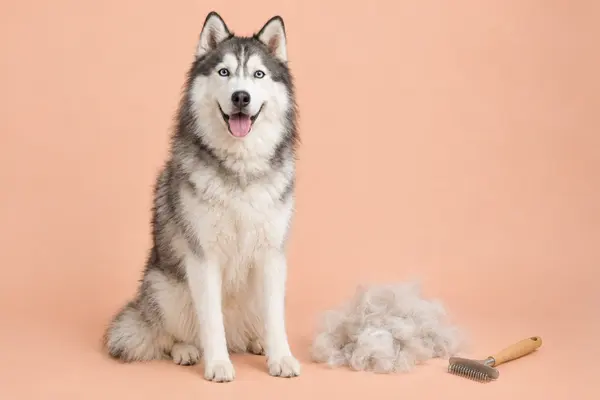
How to Brush a Double-Coated Dog: Tools, Steps and Drying
Work in sections down to the skin: an undercoat rake first, a slicker brush next, a metal comb to check. Brush at least weekly, more while the coat sheds, and dry fully after a bath.
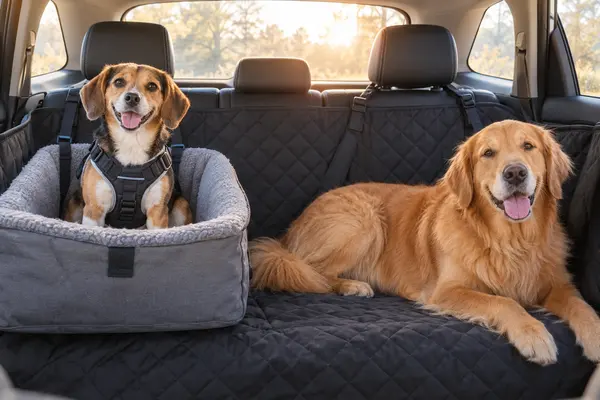
Dog Car Seats Compared: Boosters, Hammocks, Crates, Harnesses
Small dogs ride well in a booster with a harness, big dogs on a hammock or extender with a harness, and anxious travelers in a crate. Keep every dog in the back seat.
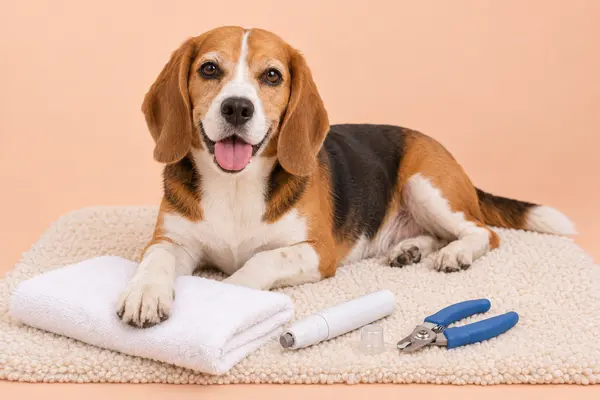
Dog Nail Grinder vs Clippers: Which Is Easier at Home
Clippers are faster and silent; a nail grinder is slower but takes off thin layers and leaves a smooth, rounded tip. The easier one is the tool your dog accepts, and many homes use both.