How to Bathe a Dog at Home: A Bath Day Checklist in Order
Brush first, set up a non-slip tub and lukewarm water, lather with a dog shampoo, rinse twice, then towel and dry on low. Here is every step in order.
In short
- Brush your dog out completely before the bath, because water tightens tangles and loose undercoat into mats.
- Set the tub up before your dog arrives: a non-slip mat, a sprayer or pitcher, lukewarm water, shampoo, towels and a treat within reach.
- Rinse twice, then once more on the belly, armpits and behind the legs, since leftover shampoo is the most common bath day mistake.
- Dry with an absorbent towel first, then a robe or a pet dryer on its low or cool setting, and finish with a brush.
- How often to bathe depends on coat and lifestyle, so ask your vet what suits your dog.
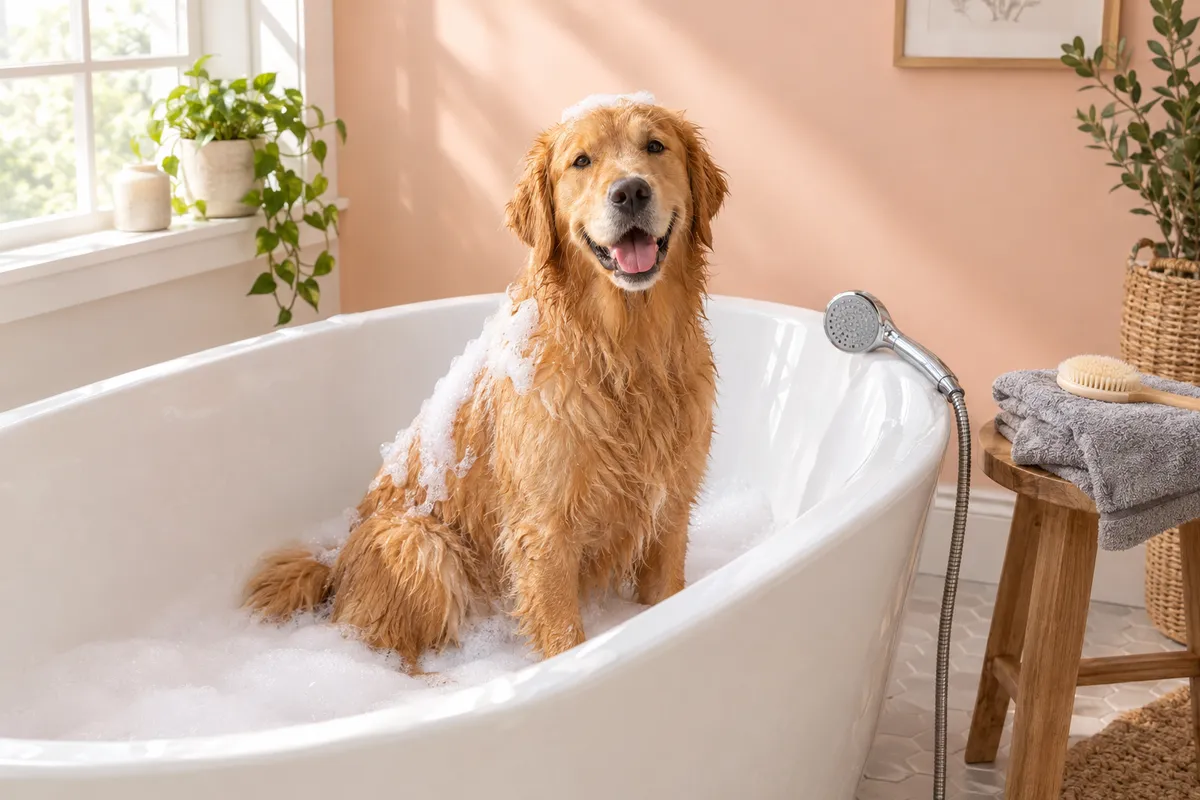
The easiest way to bathe a dog at home is to do it in the same order every time: brush, set up, wet, lather, rinse twice, towel, dry, brush again. Your dog learns the rhythm, you stop running for things with wet hands, and the whole thing takes less time than you expect. Here is the checklist, step by step, with the kit that makes each step simpler.
Step 1: Brush out before any water touches the coat
Brush first, always. Water makes loose hair clump and turns small tangles into tight mats that are much harder to work out once wet. It also means far less hair heading down your drain.
Work from the head toward the tail in small sections. Short coats need a quick pass with a glove or rubber brush. Long and curly coats need a slicker brush and a comb to the skin. Double coats need an undercoat rake, and our guide on how to brush a double-coated dog walks through that in detail. Bath day is also a good moment for a paw check, and if the nails click on the floor, see grinder vs clippers for an easy trim afterwards.
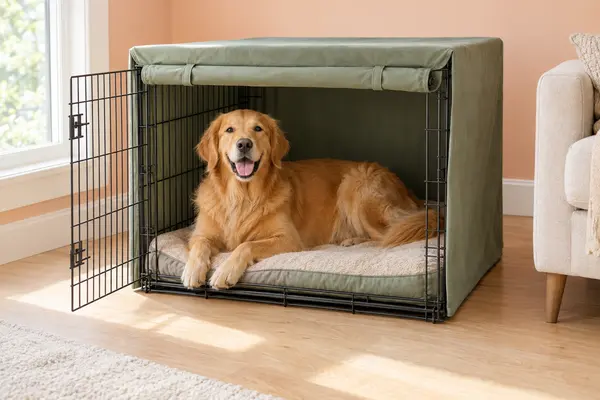
Brush out first
A slicker for tangles, a rake for undercoat, a glove for short coats.


Step 2: Set up the tub before you call your dog
Have everything within arm's reach before your dog gets in. Once your hands are soapy and your dog is wet, you cannot leave the tub to fetch a towel.
- A non-slip surface. A rubber bath mat or a folded towel on the tub floor gives paws grip, and a dog who feels steady stands calmer.
- A way to wet and rinse. A handheld shower head, a shower brush attachment or a large plastic pitcher. Small dogs often do best in a laundry tub or a collapsible bath on a counter.
- Lukewarm water. Test it on the inside of your wrist: it should feel barely warm, never hot.
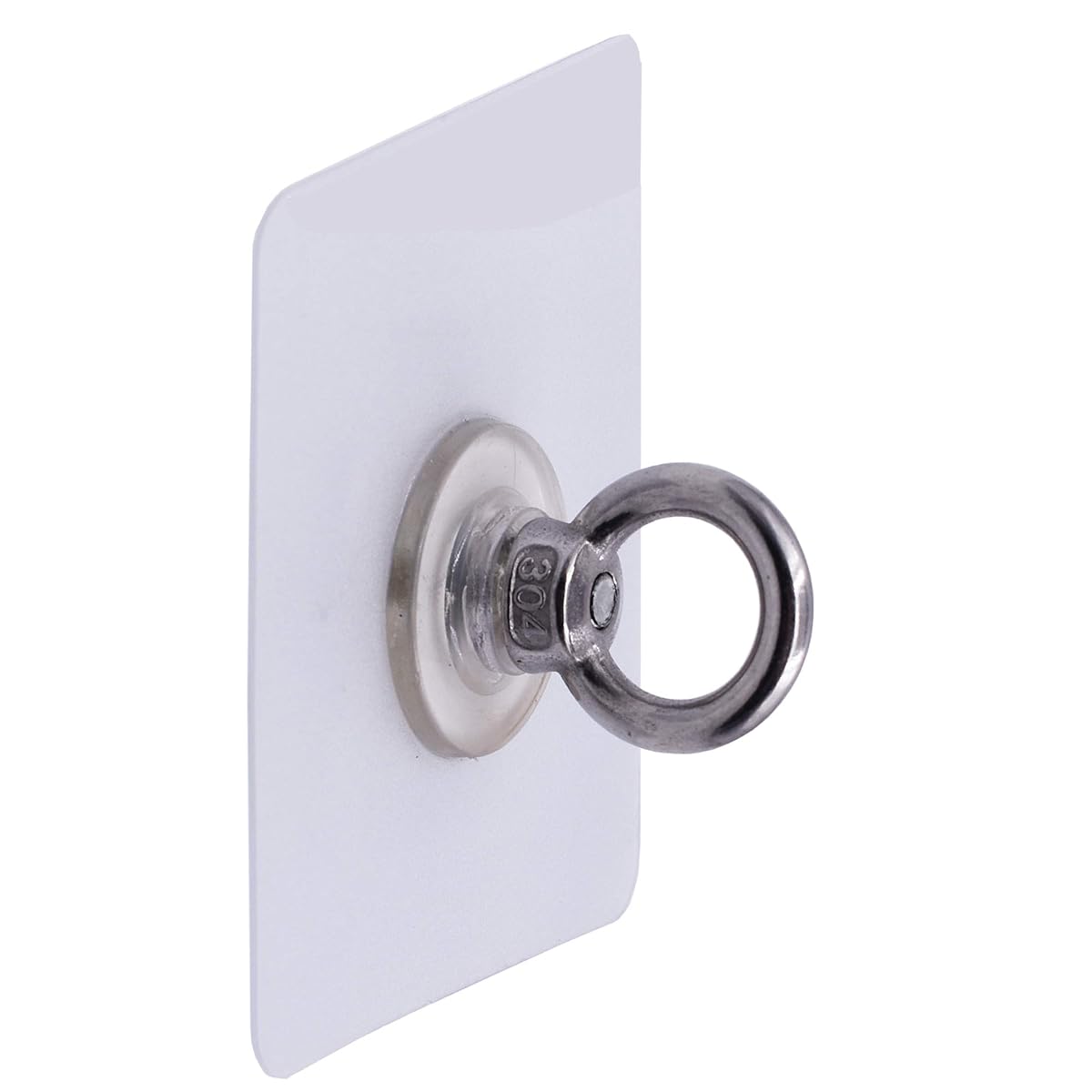
- A tether if your dog tends to jump. A short bathing tether with a suction cup keeps your dog in the tub without you holding the collar the whole time. Never leave a tethered dog alone.
- Shampoo, a cup or sponge, two towels and a few treats. A lick mat stuck to the tile wall gives your dog something pleasant to do while you work.
- Cotton for the ears, only if your vet says so. Some vets suggest a loose cotton ball in each ear to keep water out; ask yours first, and remember to take them out afterwards.
Tubs, tethers and a wall-mounted distraction
Collapsible tubs suit small dogs; tethers keep big ones in place.




Step 3: Wet the coat right down to the skin
Start at the shoulders and work back, keeping the water low and the spray close to the coat so it feels like a gentle stream, not a shower from above. Save the head for last and use a damp washcloth on the face, keeping water out of eyes, nose and ears. On thick coats, part the fur to check the skin is wet before adding shampoo.
Sprayers and shower brushes
An on/off switch at the handle saves a lot of splashing.


Step 4: Choose a shampoo by scent and coat type
Pick a shampoo made for dogs and choose it for what you can see and smell: coat length, how tangly it gets, and a scent you both enjoy. A 2-in-1 shampoo and conditioner saves a rinse cycle on long or curly coats. A tearless formula is easier on squirmy puppies around the face. If your dog has any skin concern at all, ask your vet which shampoo to use and follow the label.
Many dog shampoos are concentrated, so check the label for dilution. Lather from neck to tail, then legs, belly and paws, massaging in the direction the hair grows. Browse the full grooming shelf for brushes, combs and more.
| Coat type | Shampoo style to look for | Tool for lathering |
|---|---|---|
| Short and smooth | A simple everyday dog shampoo in a scent you like | Rubber glove or bath brush |
| Long or silky | A 2-in-1 shampoo and conditioner for easier combing | Fingers, working with the hair |
| Curly or doodle | A conditioning formula, plus a leave-in detangler after | Fingers, then a wide-tooth comb |
| Double coat | A shampoo you can dilute and work down to the skin | Bath brush or shower brush |
| Puppy | A tearless puppy formula | Soft washcloth around the face |
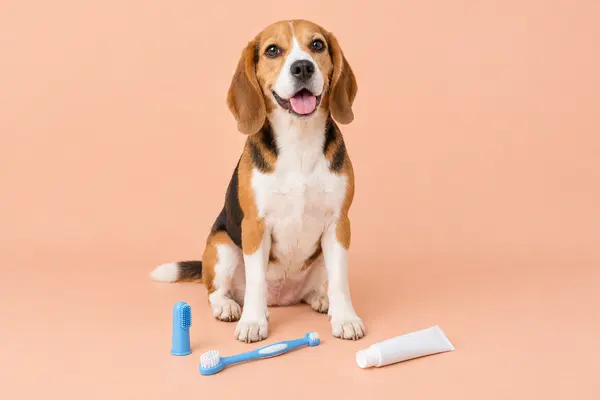
Dog shampoos by coat and scent
Gentle puppy formulas, 2-in-1s for longer coats and fresh scents.


Step 5: Rinse twice, then rinse again
Rinse until the water runs clear, then do it all again. Leftover shampoo is the most common bath day slip, and it hides in the places you cannot see: armpits, belly, between the toes, under the tail and the thick fur behind the ears. Run your hand against the grain; if it feels slippery or you see bubbles, keep rinsing. Squeeze water from the legs and tail before lifting your dog out.
Step 6: Towel, then dry on low
Blot, do not rub. A microfiber or chamois-style towel soaks up far more water than a cotton bath towel, and pressing it into the coat avoids new tangles.
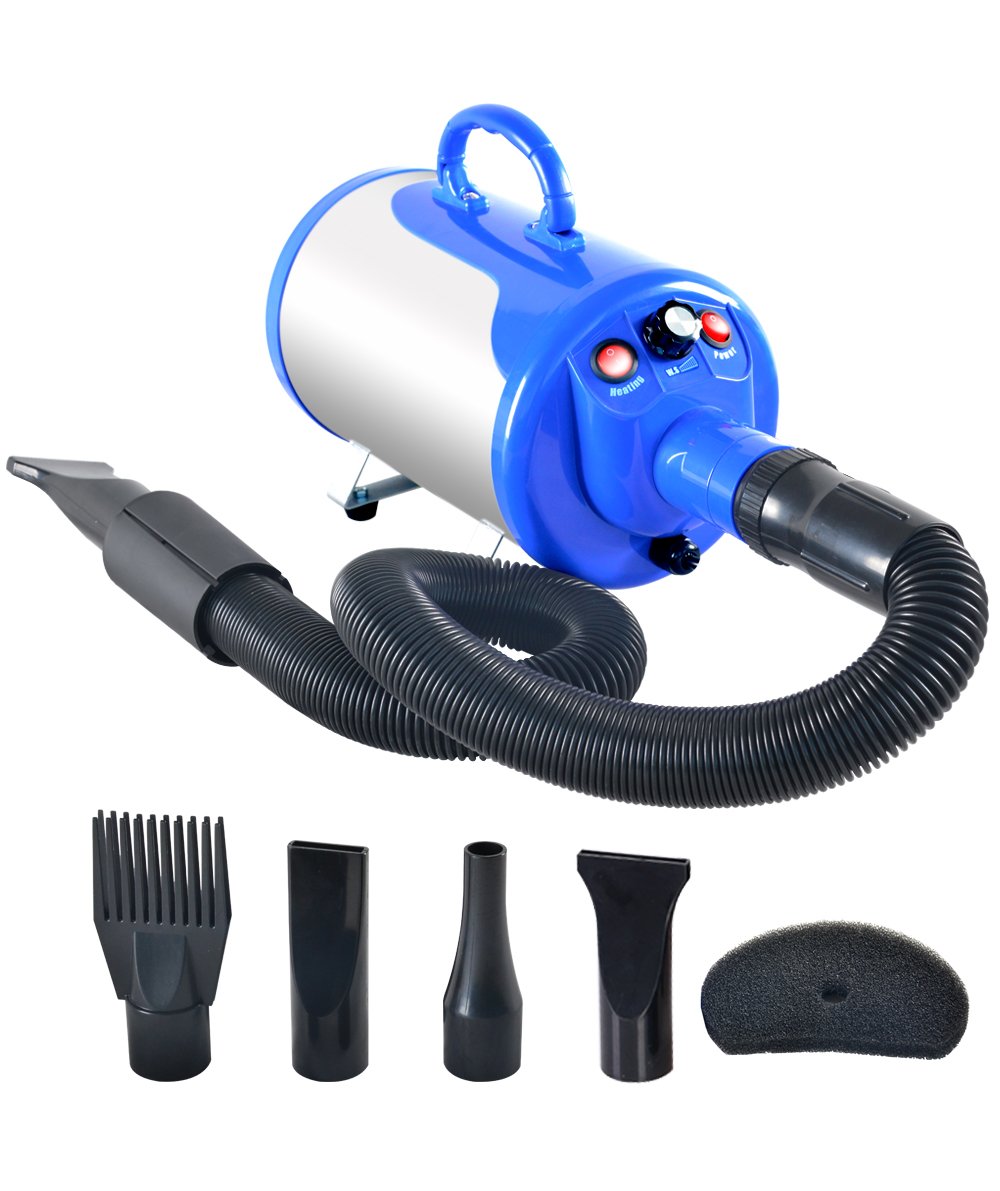
Next, choose how your dog finishes drying. A dog bathrobe with a hood and belly strap lets a wet dog pad around without soaking the sofa. A pet dryer gets thick coats dry to the skin; always use the low or cool setting, keep it moving, hold it at a distance and never point it at the face. For more drying gear, look at the coats and robes shelf.
Towels and robes
Microfiber soaks up water fast; robes keep the house dry.


For small and medium coats: a dryer with a brush built in
This one dries and brushes in a single pass, which suits dogs who stand still more happily for a brush than for a blower.
- Three heat settings, so you can stay on the lowest
- Slicker head brushes as it dries
- One-button release to clear hair from the pins
Pet dryers for thicker coats
Start on the lowest speed and heat and build up slowly.


Step 7: Finish with a brush
Once the coat is dry, or nearly dry, brush it out again. The loose hair the bath released comes away in one go. End with a treat and a little praise so the last memory of bath day is a lovely one.
Indoor or outdoor wash station in the cold months
Wash indoors once the weather turns cold. An outdoor hose is lovely in summer, but hose water and chilly air leave a wet dog cold, and thick coats can stay damp for hours. In cooler months, use the bathtub, a walk-in shower or a counter-height tub in a warm room, and keep your dog inside until the coat is dry to the skin.
Outdoor stations still work for muddy paws and warm afternoons. A foldable tub in the yard, a hose sprayer with a gentle setting and a towel by the back door keep the mess outside. For quick winter touch-ups between baths, a waterless foam or spray and a few wipes handle paws after a walk. If your dog walks on salted sidewalks, our guide to whether dogs need boots in winter helps keep paws cleaner to begin with.
Outdoor tubs and in-between cleanups
For summer yards and quick winter paw care.


Keep the drain clear
A dog bath can send a surprising amount of hair down the drain, so protect it before you start. A simple mesh or silicone hair catcher over the drain stops most of it; empty it into the trash, never down the sink. A thorough brush-out in Step 1 is the best drain protection of all.
How often should you bathe a dog?
It depends on coat and lifestyle, so ask your vet. A dog who swims or rolls in mud will need more baths than a dog who naps indoors, and coat type plays a part too. Between baths, regular brushing keeps the coat tidier.
Questions people ask
What is the best way to wash your dog at home?
Follow the same order every time: brush out, set up a non-slip tub with lukewarm water, wet to the skin, lather with a dog shampoo, rinse twice, towel dry and finish drying on low. Having everything within reach before your dog gets in is what makes it easy.
What not to do when bathing a dog?
Avoid hot water, spraying the face, skipping the brush-out and leaving shampoo in the coat. Never leave a dog alone in the tub, especially on a tether, and never point a dryer at the face or use a high heat setting.
Is it okay to give a dog a bath once a week?
That depends on your dog's coat, skin and lifestyle. Some dogs are bathed often and some rarely, so ask your vet what suits yours, and follow your shampoo's label.
How do I know when my dog needs a bath?
Signs include a coat that feels greasy or gritty, a smell that lingers, or visible mud and debris after a walk. Many dogs only need a brush and a paw wipe in between, and your vet can advise on a routine.
How do I bathe a dog at home without a bath?
Use a walk-in shower with a non-slip mat, a collapsible tub on the floor or counter, or a foldable tub outdoors in warm weather. A pitcher or handheld sprayer works in all of them.
About the numbers
- Google search results, United States, read 2026-10-08: People also ask for "how to bathe a dog at home" and "how often should you bathe a dog" supplied the questions answered in the FAQs.