Hiking With a Dog Checklist: Fall Trail Gear From Leash to Towel
For a fall hike with your dog, pack a well-fitted harness and 6 ft leash, ID and a tracker, water and a folding bowl, poop bags, a towel, and blaze orange in hunting season.
In short
- A fall hike with a dog starts with a snug harness, a 6 ft leash, an ID tag with your current phone number and, if you like, a tracker on the collar.
- Carry water for your dog and a collapsible bowl, because a creek is not a plan and a folding bowl weighs almost nothing.
- In hunting season, put your dog in a blaze-orange vest; Maine's wildlife department tells people in the woods in November to make sure their four-legged friends have their orange on too.
- A dog pack suits a fit adult dog: start nearly empty, build up slowly and ask your vet how much your dog should carry.
- End every hike with a towel, a seat cover and a tick check, and ask your vet what to do about ticks for your dog.
Crisp air, crunchy leaves and a dog who thinks every trail was made just for them: fall is the loveliest hiking season there is. It is also the season of shorter days, wet rocks and, in many places, hunters in the same woods. A good hiking with a dog checklist keeps the day easy. Here is ours, packed in the order you will reach for it.
1. A harness that fits and a 6 ft leash
Start with the two things your dog wears the whole way. A padded harness spreads pressure across the chest instead of the throat, and a top handle lets you steady your dog over a log or a slippery step. Fit it so two fingers slide under each strap and it cannot slip back over the shoulders when your dog backs up. Walk around the block in it a few times before the big day.
For the leash, six feet is the length to know. In National Park System areas, the federal pet rule says a leash shall not exceed six feet, and many state parks and local trails set their own leash rules, so check the trail's page before you go. A fixed 6 ft leash keeps your dog close on narrow switchbacks and polite when you pass other hikers. If you are weighing a reel leash, our retractable leash myths and facts explains where one does and does not make sense, and front clip vs back clip covers harness styles.
Trail harnesses and 6 ft leashes
Padded harnesses with handles, plus fixed-length leashes and one hands-free option.


2. ID tag and a tracker on the collar
A dog who bolts after a squirrel can be out of sight in seconds on a wooded trail. An engraved ID tag with your current mobile number is the simplest safety net there is; a slide-on tag sits flat on the collar and does not jingle or snag on brush. Many hikers also clip a small Bluetooth tracker or GPS tracker holder to the collar. A Bluetooth tag finds your dog through nearby phones, so it works best near trailheads and busy paths; a dedicated GPS unit is built for open country. Whatever you choose, make sure the holder is waterproof and sits snug, and ask your vet to check that the microchip details are up to date.
ID tags and tracker holders
Engraved tags, a flat slide-on tag and waterproof holders that keep a tracker on the collar.


3. Water and a collapsible bowl
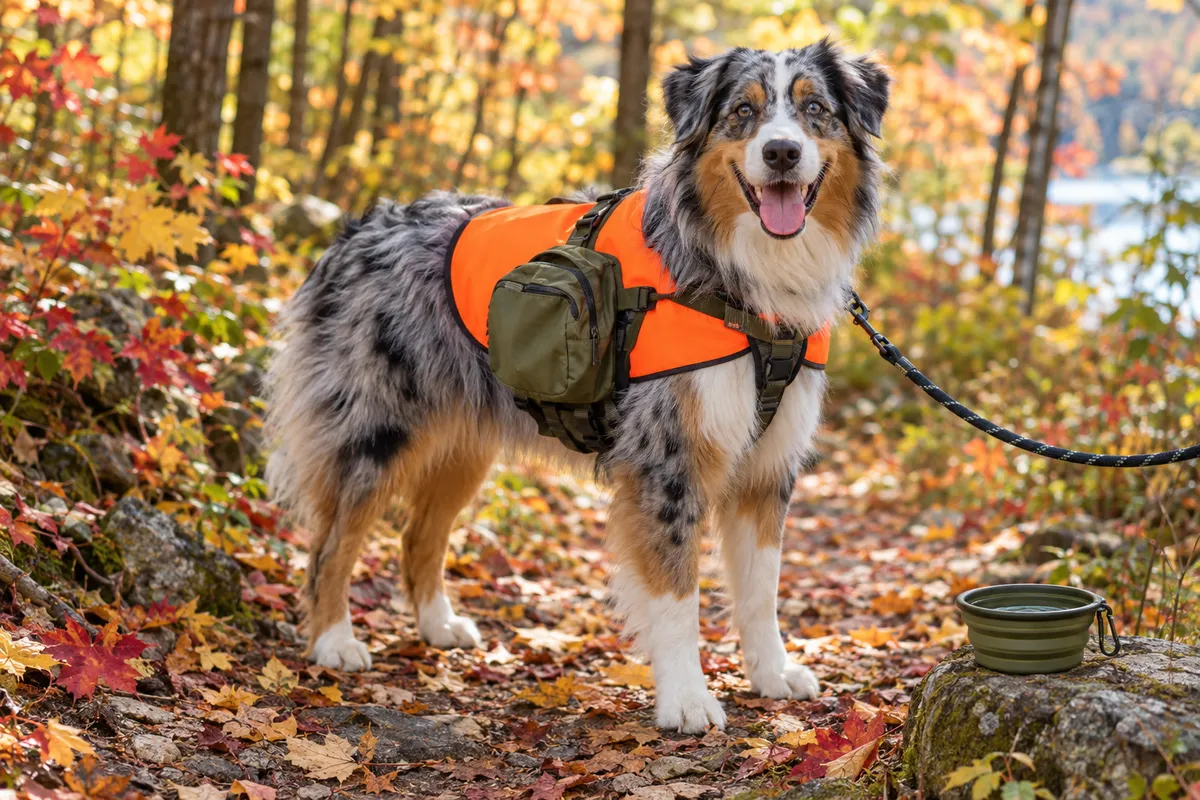
Your dog needs their own water on the trail, even on a cool day. Streams can be fast, muddy or simply not there when you need them. A collapsible dog bowl folds flat into a pocket and clips to a pack strap with a carabiner, and a dog water bottle with a flip-out trough lets your dog drink without you pouring anything. Offer small drinks at every rest stop instead of one big one at the end. How much your dog needs depends on size, weather and pace, so ask your vet for a rule that fits your dog.
Folding bowls and trail water bottles
Silicone bowls that pack flat, and bottles with a built-in drinking trough.


4. A dog backpack for fit dogs, started light
A dog backpack (often called saddlebags) lets your dog carry their own bowl, bags and a treat pouch. It suits healthy adult dogs who already hike comfortably; puppies, seniors and dogs with joint or back concerns are better left pack-free. Start with the pack empty on short walks, add a little at a time, and keep the two sides balanced so it does not drag to one side. How much weight is right varies by dog, so ask your vet before you load it up.
Look for a padded chest strap, a top handle, reflective trim and pockets that open from the top so nothing spills when your dog lies down. You can browse more in our active dog gear and carriers and travel shelves.

Our pick for a first dog pack
A grey saddlebag pack with bright orange handles and a reflective stripe on each side, so it is easy to spot on a leafy trail.
- Adjustable chest and back straps
- Zip saddlebags on both sides
- Top handle to help over obstacles
Dog packs and saddlebags
Saddlebag styles in olive and grey, with handles and adjustable straps.


5. Booties for rough or wet trails
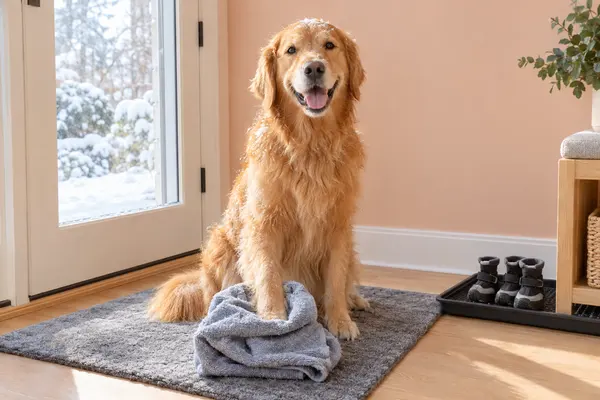
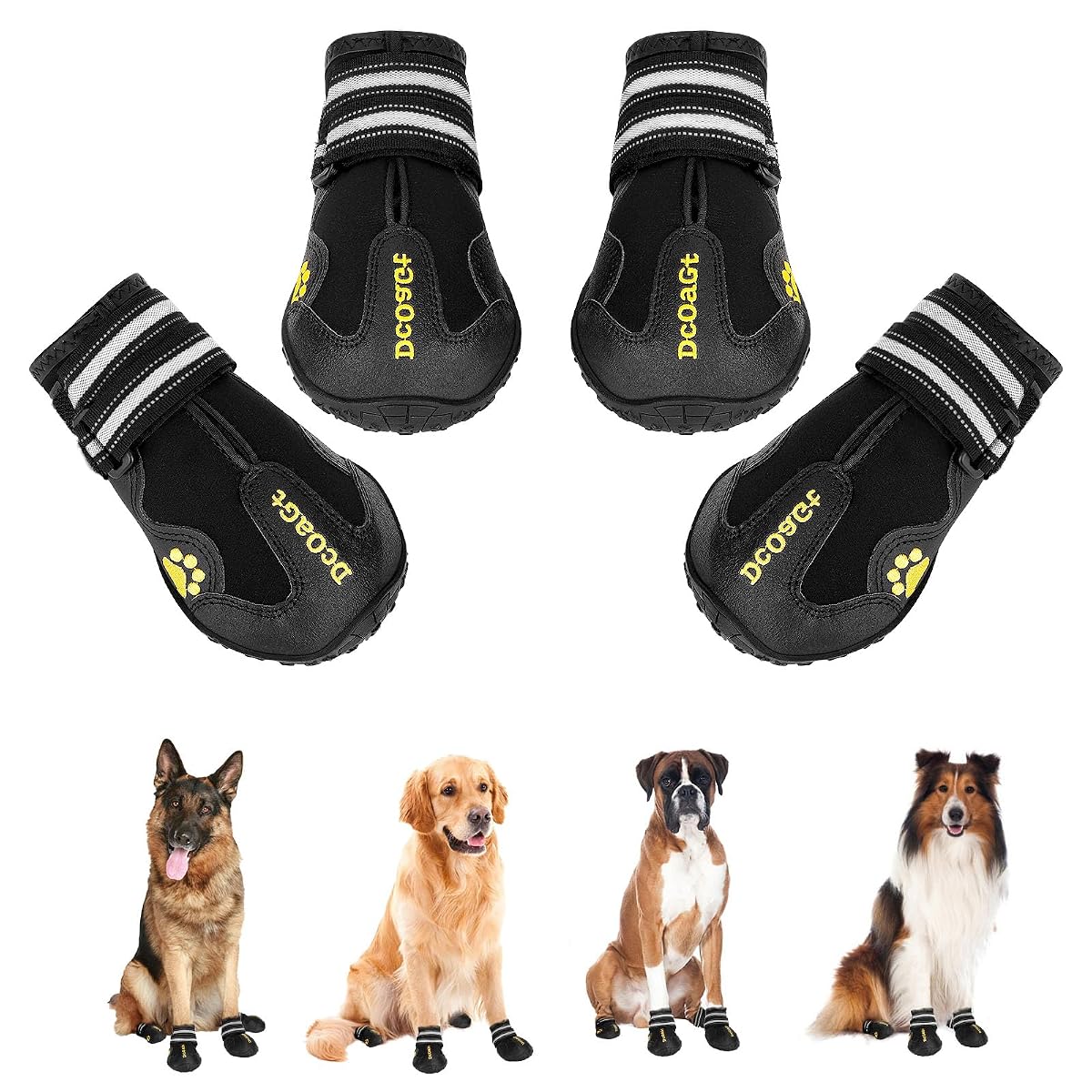
Fall trails mix sharp scree, wet roots, icy mornings and burrs that love to tuck between toes. Dog boots with a rubber sole and a reflective strap give grip and cover on those stretches. Measure paw width with your dog standing, since the paw spreads under weight, and practice indoors with treats before the hike. Expect some high-stepping at first; most dogs settle in after a few short sessions.
Trail boots with rubber soles
Rugged, anti-slip soles and straps that close around the ankle.


6. Blaze orange in hunting season
If your trail runs through woods or fields where hunting is allowed, wear blaze orange yourself and put your dog in it too. Maine's Department of Inland Fisheries and Wildlife urges everyone outdoors in November to wear blaze orange, even if they are not hunting, and to make sure their four-legged friends have their orange on as well. Hunting seasons and rules differ by state, so look up the dates on your state wildlife agency's site before you go.
A blaze orange dog vest works best when it covers the back and sides so your dog shows from every angle. Reflective bands on the vest help again at dusk.
Blaze orange and high-visibility vests
Fluorescent orange vests with reflective trim, plus a two-pack with a yellow spare.


7. Reflective gear for shorter days
Fall afternoons fade fast, and an easy loop can end in the dark. Add a light-up or reflective collar so you can see your dog on the walk back to the car, and keep a headlamp in your own pack. Our night walk checklist goes deeper on lights and reflective gear.
Lights for the walk back
Rechargeable light-up collars that stay visible after sunset.


8. Poop bags, a towel and a seat cover
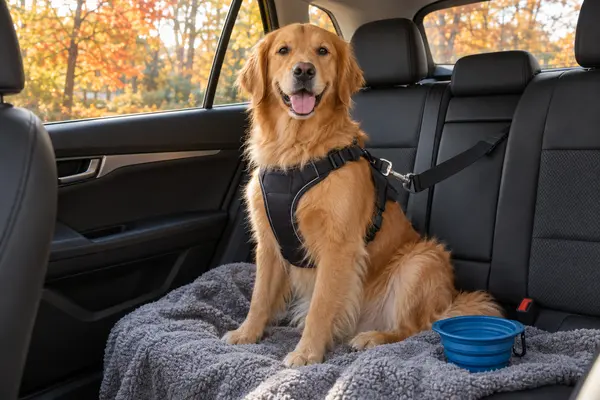
Pack it in, pack it out. Clip a poop bag holder to the leash or pack so bags are always in reach, and carry an extra bag to hold the full ones until the next trash can. Then think about the ride home: a microfiber towel for muddy legs and a waterproof back-seat cover or hammock keep the car tidy after a wet, leafy day.
Bags, towels and car covers
Leash-clip dispensers, quick-dry towels and waterproof back-seat covers.


9. A basic pet first-aid kit and the tick check
A small first-aid kit for your dog belongs in every day pack. What goes in it depends on your dog and where you hike, so ask your vet what to pack and how to use it. Keep your vet's phone number and the nearest emergency clinic saved on your phone before you lose signal.
Once you are home, do a slow, gentle tick check: run your hands over your dog's whole body, and look closely between the toes, in and around the ears, under the collar and harness, and in the armpits and groin. Fall is still tick season in many places. Ask your vet about ticks and what suits your dog and your area.
The quick checklist
- Well-fitted harness with a handle
- 6 ft leash (check the trail's leash rules)
- Collar with an engraved ID tag and an optional tracker
- Water for your dog and a collapsible bowl
- Dog backpack for fit adult dogs, started light (ask your vet about weight)
- Booties for rough or wet trails
- Blaze orange vest in hunting season
- Light-up or reflective collar for dusk
- Poop bags and a holder
- Towel and seat cover for the ride home
- Basic pet first-aid kit (ask your vet what to pack)
- Tick check after every hike
Curious where the folding dog bowl came from? Our trail-gear maker's story tells how one collapsible bowl grew into a whole line of trail gear. Happy trails, lovely.
Questions people ask
What are the must-haves for hiking with a dog?
A well-fitted harness, a 6 ft leash, an ID tag with your current number, water with a collapsible bowl and poop bags are the core. Add booties for rough ground, a blaze-orange vest in hunting season and a towel for the car. Ask your vet what to put in a small first-aid kit.
How long should a leash be for hiking?
Six feet is the safe default. In National Park System areas the federal rule says a pet's leash may not exceed six feet, and many other parks and trails have their own leash rules. Check the trail's page before you go.
Should my dog wear blaze orange when hiking?
Yes, whenever you hike where hunting is allowed during a hunting season. Maine's wildlife department reminds people outdoors in November to make sure their dogs have their orange on too. Choose a vest that covers the back and sides so your dog is visible from every angle.
How much weight can a dog carry in a backpack?
It depends on the dog's size, age, fitness and health, so ask your vet before loading a pack. Start with an empty pack on short walks, add weight slowly and keep both sides balanced. Puppies and older dogs are better off without one.
Do dogs need boots for hiking?
Not always, but boots help on sharp rock, wet roots, icy mornings and burr-heavy trails. Measure paw width with your dog standing and practice at home with treats before the hike.
About the numbers
- 36 CFR 2.15, Pets (National Park System regulation), read 2026-10-07: pets in park areas must be restrained on a leash which shall not exceed six feet in length
- Maine Department of Inland Fisheries and Wildlife, 12 Months of Wildlife Management, November 2025, read 2026-10-07: wear blaze orange while out and about in November even if not hunting; make sure your four-legged friends have their orange on as well