Herding Dog Toys and Play: A Guide for Collies, Aussies and Corgis
Herding breeds were bred to gather and move livestock, so they love games with a job: pushing a big ball, chasing a flirt pole lure, catching a disc and working out puzzles.
In short
- Herding breeds were developed to gather, herd and protect livestock, so the best toys give them something to move, chase or solve.
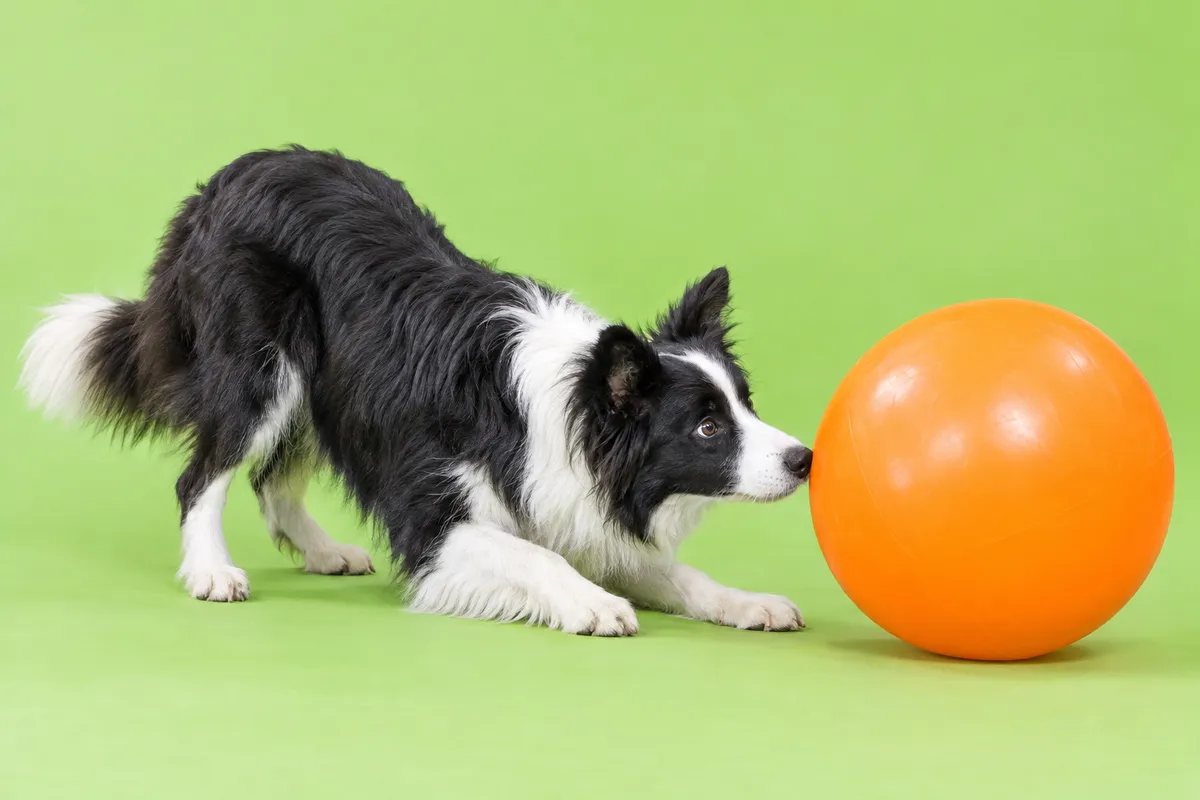
- A large herding ball they can nudge with nose and shoulder, too big to grab in the mouth, turns the herding urge into a game of pushing.
- A flirt pole lets a herding dog stalk, chase and catch in a small yard, with you in control of when the game starts and stops.
- Short, structured sessions with clear rules and a planned end suit herding dogs better than long, open-ended play.
- A settle mat and real rest are part of enrichment too: a busy breed also needs to learn how to switch off.
Hello, lovely herding household. If you share your home with a Border Collie, an Australian Shepherd, a corgi, a Sheltie or a cattle dog, you already know the look: the low head, the steady stare, the dog who quietly rounds up the kids in the backyard. The good news is that herding dog toys can give that drive a happy outlet. This guide walks through what these breeds were made for, then the games that suit them best, from big pushing balls to a calm settle at the end of the day.
What herding breeds were bred to do
Herding dogs were bred to move other animals. The American Kennel Club describes its Herding Group as breeds developed to gather, herd and protect livestock, and notes that they share an instinctual ability to control the movement of other animals. The same page mentions that some will gently herd their owners, especially children, which will make every corgi family smile.
Those breeds were part of the AKC Working Group until 1983, when the Herding Group was formed. The group includes the Border Collie, Australian Shepherd, Pembroke and Cardigan Welsh Corgis, Shetland Sheepdog and Australian Cattle Dog, among many others.
In everyday life that history shows up as three wants: something to watch and move, something to chase, and a job with rules. Every game below is built around one of those three. Each dog is still an individual, so watch what yours lights up for and lean into it.
Herding balls: a job for nose and shoulder
A herding ball is the closest thing to a flock in your living room or yard. It is large, usually 10 to 14 inches across or more, and too big to grab in the mouth, so the dog has to steer it with nose, chest and shoulder. That pushing is the point. The game is inspired by the dog sport treibball, where dogs drive large balls toward a goal on their handler's cues.
There are two main styles. A hard plastic ball with a smooth surface gives no grip at all, so it rolls away in unpredictable directions and the dog has to keep circling to bring it back. A lighter inflatable ball with a fabric cover bounces and floats, which suits beach days and dogs who like a softer nudge. Smaller 6 to 8 inch balls with a handle or rope are a good middle step for dogs who still want to carry their prize.
Big balls to push and herd
Choose a ball bigger than your dog's head, so pushing beats grabbing.


For a first treibball-style game
A 14 inch ball with a soft woven cover and a hand pump, made for nudging rather than chewing.
- Big enough that the dog pushes instead of bites
- Light and bouncy, gentle on joints and furniture
- Supervised play only, then put away
Flirt poles: chase, catch and a clear finish
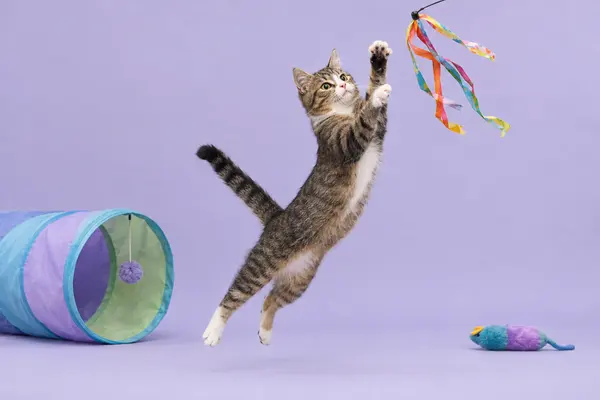
A flirt pole is a stick with a cord and a lure on the end, like a giant cat wand for dogs. You sweep the lure in low arcs along the ground and your dog stalks, chases and pounces. It answers the chase drive in a small space, and because you hold the pole, you decide when the lure moves and when it stops.
Use the pole to practise impulse control as part of the fun. Ask for a sit or a down, release with a happy word, let the chase run, then freeze the lure and ask for a drop. Keep the lure low and moving in wide circles rather than whipping it high, so your dog stays on four paws. End while your dog still wants more, and store the pole out of reach so the lure stays special.
Flirt poles and spare lures
Look for a comfortable grip and a lure that clips off for washing.


Frisbees and fetch for the dog who loves to run
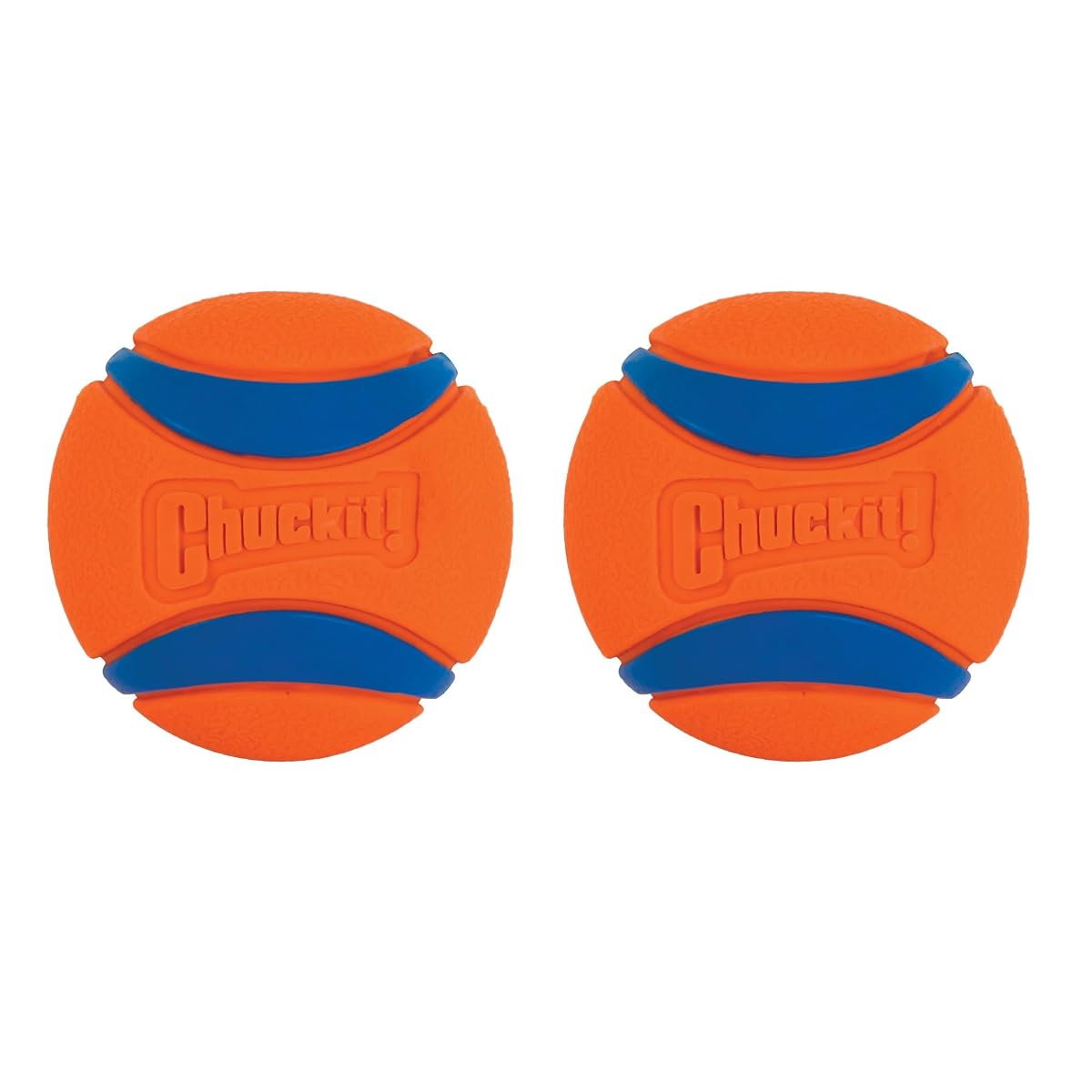
Many herding dogs adore a disc. A good dog disc is softer than a sports frisbee: rubber, fabric or a flexible plastic that is kinder on the mouth when caught and easier to grip when dropped. Floating discs are handy for lake days. Ring and fabric styles double as tug toys.
For a new disc dog, start with rolling the disc along the ground like a wheel, then short, low throws. Throw across your dog's line of travel rather than straight at them, so they learn to track it. A ball launcher saves your arm for long fetch, and a ball on a rope gives you a tug game to end with.
| Toy | What it satisfies | Best for |
|---|---|---|
| Herding ball | Watching and moving | Yards, big rooms, dogs who nip at heels |
| Flirt pole | Stalking and chasing | Small yards, short bursts, impulse games |
| Disc or ball | Running and catching | Open space, dogs who love to sprint |
| Puzzle or snuffle mat | Thinking and sniffing | Rainy days, wind-down time |
| Clicker tricks | A job with rules | Any space, any weather |
Discs and fetch gear
Soft edges are kinder on the mouth when catching.




Puzzles and snuffle work: the thinking half
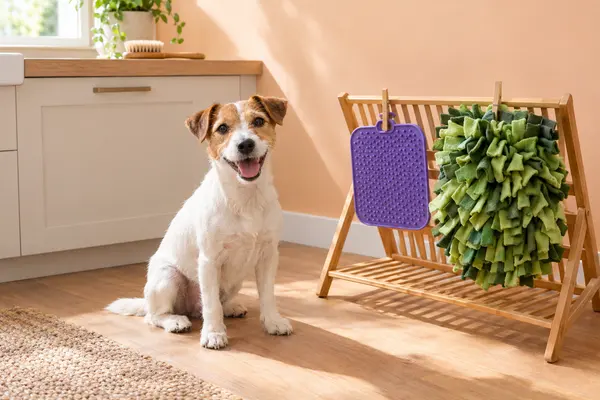
Herding is as much brain as legs. A dog working sheep is constantly reading, deciding and adjusting. Puzzle toys and snuffle mats give that thinking a home indoors. Sliding boards, lift-the-cone games and treat balls ask the dog to work out a sequence, while a snuffle mat lets them sniff out kibble hidden in fleece strips.
Start one level below where you think your dog is, so the first try ends in success, then raise the challenge. Our guide to dog puzzle toys by level walks through each step, and snuffle mat vs lick mat explains which one suits a busy evening.
Puzzles, snuffle mats and hide-and-seek
Stay close the first few times and lift the toy away when the treats are gone.


Trick training with a clicker
Herding dogs were bred to work closely with a person, which is why short training games feel like play to them. A clicker is a small box that makes one clear sound. Click the moment your dog does the right thing, then give a treat. The click marks the exact instant, so your dog learns faster what earned the reward.
- Charge the clicker: click, treat, repeat a handful of times until your dog's ears perk at the sound.
- Pick one easy trick, such as a nose touch to your palm, a spin or a paw wave.
- Click the smallest try, then ask for a little more each time.
- Keep a treat pouch on your belt so rewards arrive fast.
- Stop after a few happy repetitions and end on a win.
Clickers and treat pouches
A wrist strap or belt clip keeps both hands free.


For target and trick games
A clicker with a built-in target stick that extends, so you can teach your dog to follow a ball tip with their nose.
- Click and target in one hand
- Great for spins, weaves and send-aways
- Folds small for walks
Short, structured sessions and a rainy-day plan
Herding dogs often do best with short sessions that have a shape: a warm-up, the game and a calm finish. Open-ended play can wind a keen dog up rather than settle them. Think a few minutes of flirt pole, a few minutes of tricks, then a sniff game to come down.
When the weather turns, try this indoor plan:
- Morning: breakfast scattered in a snuffle mat instead of a bowl.
- Midday: a short clicker session in the hallway, learning one new trick.
- Afternoon: push the herding ball around the largest room, furniture moved back.
- Evening: hide-and-seek with a favourite toy, then a puzzle board.
- Bedtime: a settle on the mat with a chew, lights low.
Rest and a settle mat: the skill busy dogs need
Enrichment is not only about doing more. A herding dog who can switch off is easier to live with and happier in the house. A settle mat is a portable bed that becomes the place where nothing exciting happens: lie down, relax, get a quiet reward.
Teach it in small steps. Reward any paw on the mat, then a down on the mat, then a few calm breaths. Add duration slowly and bring the mat along to cafés, friends' homes and family gatherings. An elevated cot works well outside or on a patio, while a thin, washable crate pad rolls up for travel. For a strong chewer, our guide to chew toys for strong chewers has calm chews to pair with mat time.
Mats and cots for settle time
Choose a size your dog can stretch out on fully.


Questions people ask
What kind of toys do herding dogs like?
Herding dogs usually love toys that move or need solving: large balls they can push, flirt poles to chase, discs to catch, and puzzle toys that make them think. Mix active games with sniffing games so your dog gets both body and brain work.
Do herding balls work for dogs?
Many herding dogs take to them quickly because pushing a big ball feels like moving a flock. Choose a ball larger than your dog's head so it cannot be grabbed, and reward the first nose touches if your dog is unsure. Always supervise, and put the ball away after play.
How do I keep a herding dog entertained indoors?
Plan short sessions through the day: a snuffle mat breakfast, a clicker trick session, a herding ball game in a cleared room, and a puzzle in the evening. End each day with quiet time on a settle mat so play has a clear finish.
What are good toys for cattle dogs?
Cattle dogs often enjoy sturdy toys built for chasing and tugging: a flirt pole with a tough lure, a hard plastic herding ball, a rubber disc or a ball on a rope. Pick sizes that match your dog and check toys often for wear.
Is a flirt pole good for herding breeds?
A flirt pole lets a herding dog stalk and chase in a small space while you control the game. Keep the lure low, add sits and drops between chases, and keep sessions short. If your dog has joint concerns, ask your vet first.
About the numbers
- American Kennel Club, Herding Group breeds page, read 2026-10-07: herding breeds were developed to gather, herd and protect livestock and were part of the Working Group until 1983; the group lists the Border Collie, Australian Shepherd, both Welsh Corgis, Shetland Sheepdog and Australian Cattle Dog
- Google search results for "herding dog toys", United States, read 2026-10-07: people also ask: what toys herding dogs like, how to keep them entertained, whether herding balls work, toys for cattle dogs